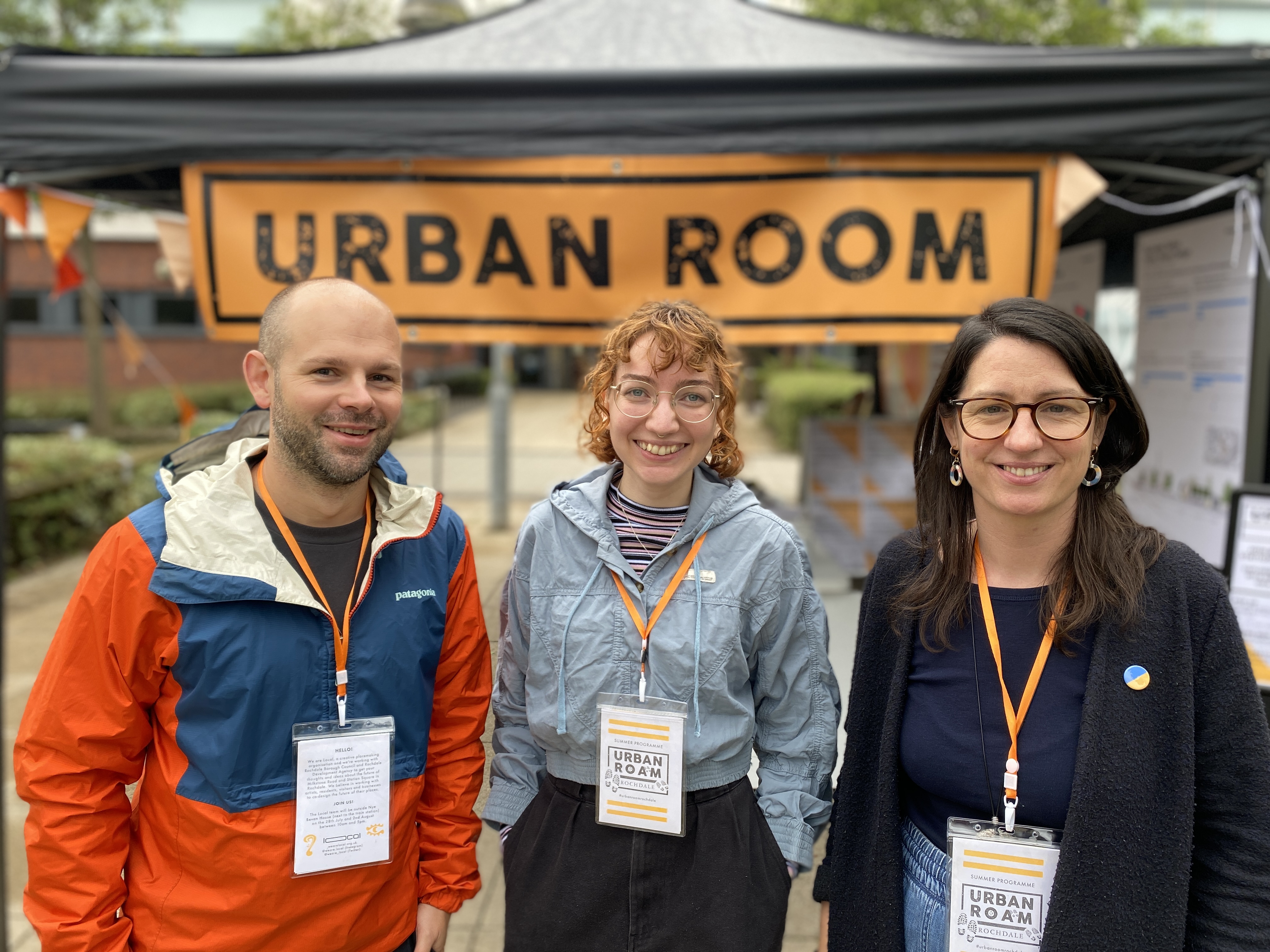
Embedding creativity and community voice within Rochdale’s regeneration through pop-up and digital Urban Rooms, giving local people accessible ways to explore plans, share knowledge and influence the future of their towns.
The opportunity
In 2022, Rochdale Development Agency and Rochdale Council commissioned Local to develop a creative approach to community engagement around major regeneration proposals across the borough.
Like many places, Rochdale was navigating significant change: investment in town centres, public realm, housing, transport and cultural infrastructure was creating new opportunities, but also important questions about how residents could meaningfully participate in shaping that change.
Our response was Urban Room Rochdale.
Inspired by the wider Urban Room movement, we developed a flexible model for creating accessible spaces where people could explore proposals, understand what was changing, contribute local knowledge and imagine different possibilities for their places.
Rather than expecting communities to come to formal consultation events, we took the conversation into everyday spaces.
Across an 18-month period, Local designed and delivered four Urban Room consultations supporting three masterplans – Station Square/Milkstone Road, Middleton and Littleborough – alongside the Rochdale Town Centre Vision.
What Local brought
Local designed Urban Room Rochdale as much more than a consultation event.
We developed a creative engagement methodology combining place-based research, arts practice, mapping, conversation, observation and co-design, adapting the approach to the particular character of each town and regeneration proposal.
Our work included:
• translating complex masterplans and regeneration proposals into accessible public conversations;
• identifying the key questions, projects and principles that communities could meaningfully influence;
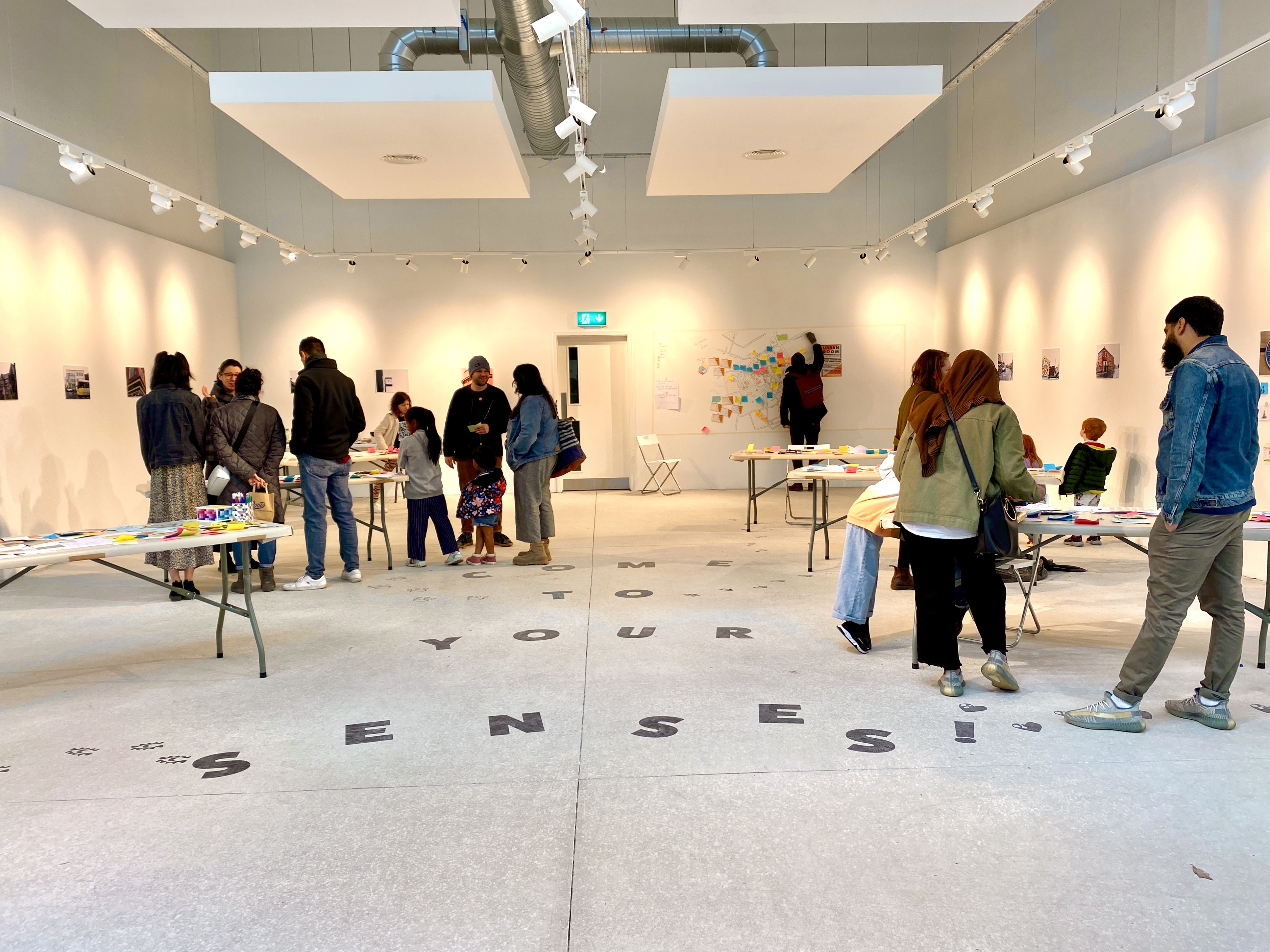
• creating temporary Urban Rooms in familiar and unexpected community settings;
• commissioning artists and creative practitioners to develop different routes into conversations about place;
• facilitating mapping, drawing, storytelling, walks and design-led activities;
• engaging residents, businesses, cultural organisations and local stakeholders;
• documenting and analysing community insight;
• feeding findings directly into masterplans, town-centre strategies and regeneration planning;
• developing an Urban Room Rochdale Community Engagement Toolkit for future use; and
• creating a dedicated digital Urban Room as an ongoing engagement platform and archive.
The physical spaces were deliberately varied.
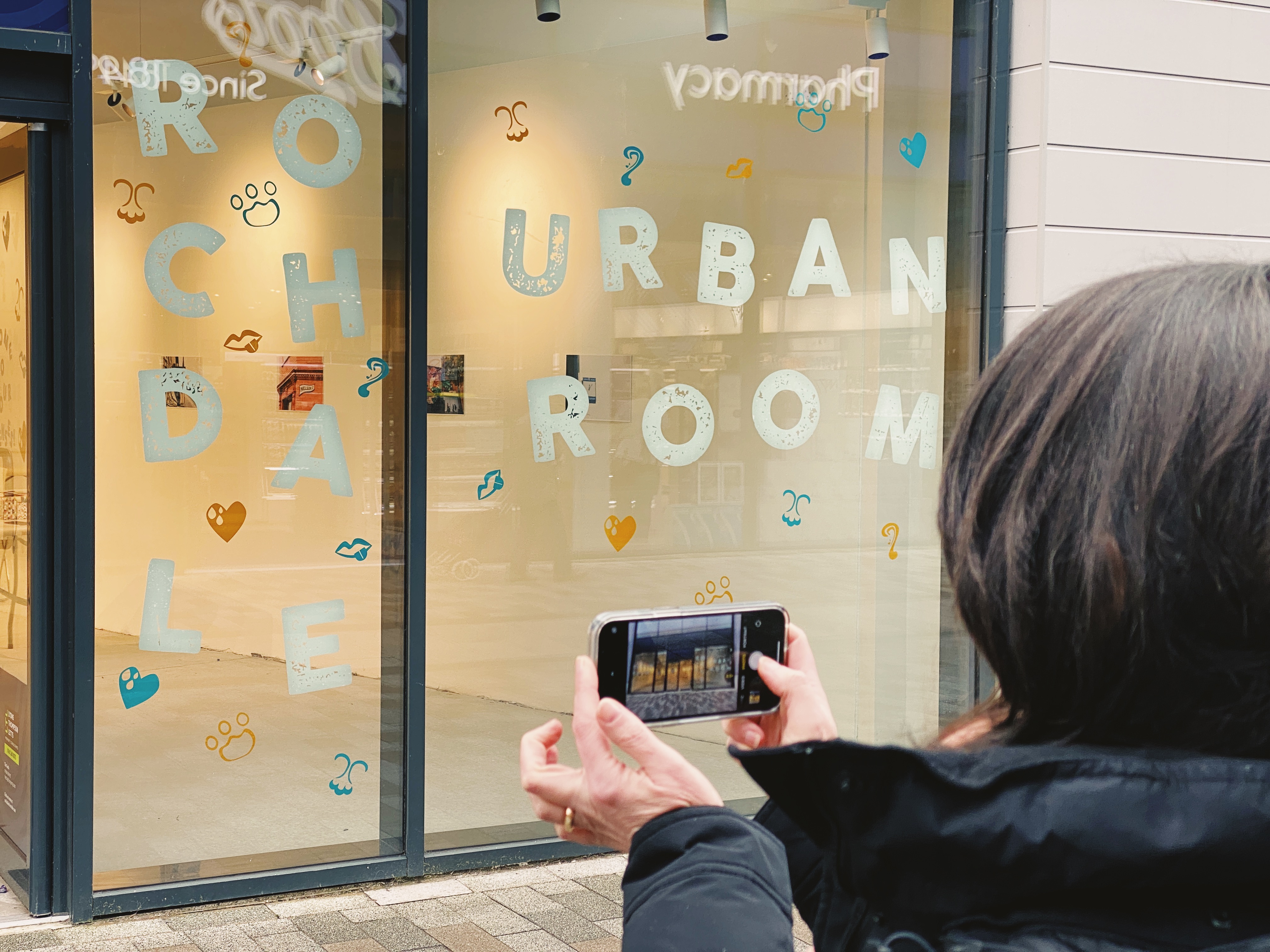
We occupied an empty shop in Rochdale Riverside, worked from library and community spaces, used Middleton Arena, and even took a stall at the Littleborough Christmas Lights Switch-On. The wider programme also experimented with unusual spaces including redundant infrastructure and vacant units.
That flexibility reflects one of Local’s core principles: go where people already are rather than expecting people to enter spaces and processes designed around institutions.
Research through creative practice
Creativity helped make conversations about planning and regeneration more tangible.
Instead of relying solely on surveys or public meetings, participants could annotate maps, draw, make, walk through neighbourhoods with artists and explore ideas visually.
For the Rochdale Town Centre Vision, Local undertook a week-long residency in an empty shop during the Easter holidays, combining drop-in conversations with art-led walks, workshops and meetings with residents, businesses, council officers and elected members.
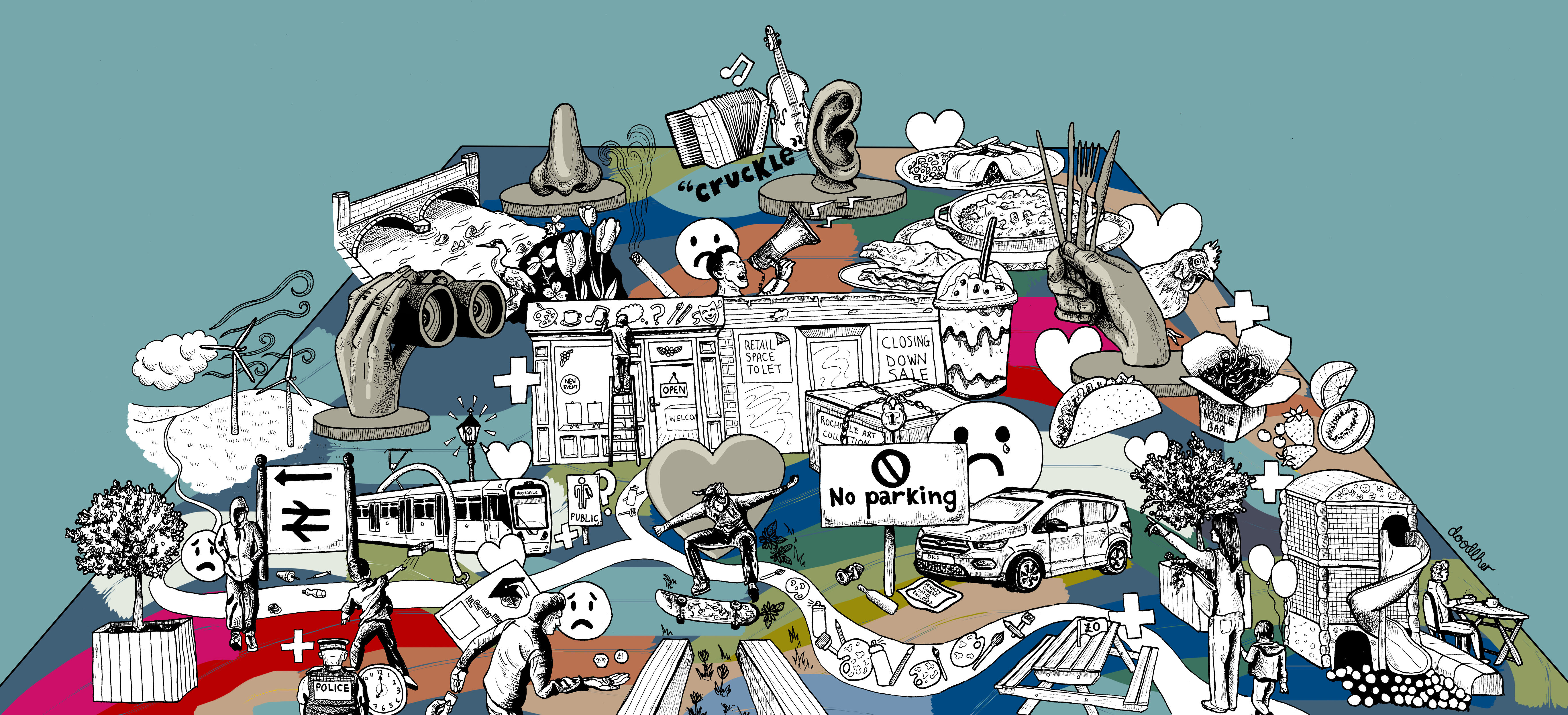
Artist and illustrator Vic Whitaker / Doodlher translated some of those conversations into visual storytelling, while other creative practitioners brought different ways of noticing and interpreting place.
This action-research approach created both useful planning evidence and a richer understanding of how people actually experience their town.
What changed
Urban Room Rochdale generated an extensive body of local knowledge that could inform the development of regeneration proposals across the borough.
Community feedback was not treated as a parallel engagement exercise. Findings were interpreted and fed into the development of masterplans and wider place strategies, helping planning and regeneration teams understand local priorities, perceptions, assets and concerns.
The work also established a repeatable engagement framework for Rochdale.
Following the four consultations, Local consolidated learning into a Community Engagement Toolkit, creating a practical resource that could support future planning and placemaking activity.
A dedicated Urban Room Rochdale website was also commissioned as a digital platform and living archive. This allows people who cannot attend physical events to contribute online and provides an ongoing home for projects, conversations and learning.
The learning from Urban Room Rochdale subsequently informed Local’s development of The Maker’s Mile / Rochdale Creative Innovation District, where a semi-permanent Urban Room was proposed as part of the town’s longer-term cultural infrastructure – keeping communities involved as ideas moved from strategy towards implementation.
Why it matters
Urban Room Rochdale demonstrates that meaningful participation in regeneration requires more than asking people whether they like a finished proposal.
People need opportunities to understand what is changing, contribute their own expertise, test ideas and see how their input connects with decisions.
For Local, an Urban Room is therefore not really a room.
It is a method for creating civic space.
Sometimes that space is a shop unit. Sometimes it is a library, a market stall, a walk through a neighbourhood or an online platform.
What matters is creating the conditions for people to participate.
The work also reinforced something that now runs through much of Local’s practice: communities hold forms of expertise that planning and regeneration processes cannot generate on their own. Residents understand where people gather, what feels unsafe, which stories matter, what has been tried before and where apparently small changes might have disproportionate impact.
Creative methods help make that knowledge visible.
Urban Room Rochdale showed how research, creativity and public engagement can become part of the design process itself, creating places that are more relevant, connected and responsive to the people who use them.
Project highlights
• 18-month creative engagement programme
• 4 Urban Room consultations
• 3 masterplans + Rochdale Town Centre Vision
• Rochdale, Middleton & Littleborough
• Pop-up Urban Rooms in everyday community spaces
• Creative mapping, walks, workshops & visual research
• Artists and creative practitioners commissioned
• Community Engagement Toolkit developed
• Digital Urban Room and archive created
• Community insight fed into regeneration planning
• Learning informed The Maker’s Mile / Creative Innovation District
Explore the project